

09/12/2025
Because they are very inexpensive to produce and launch into orbit, CubeSats are the new favorite in space exploration. Designed and developed at the High Energy Astrophysics Detector Laboratory at Sabancı University, led by Prof. Dr. Emrah Kalemci, iXRD is the first X-ray detector system for astrophysics in Türkiye to operate in space.
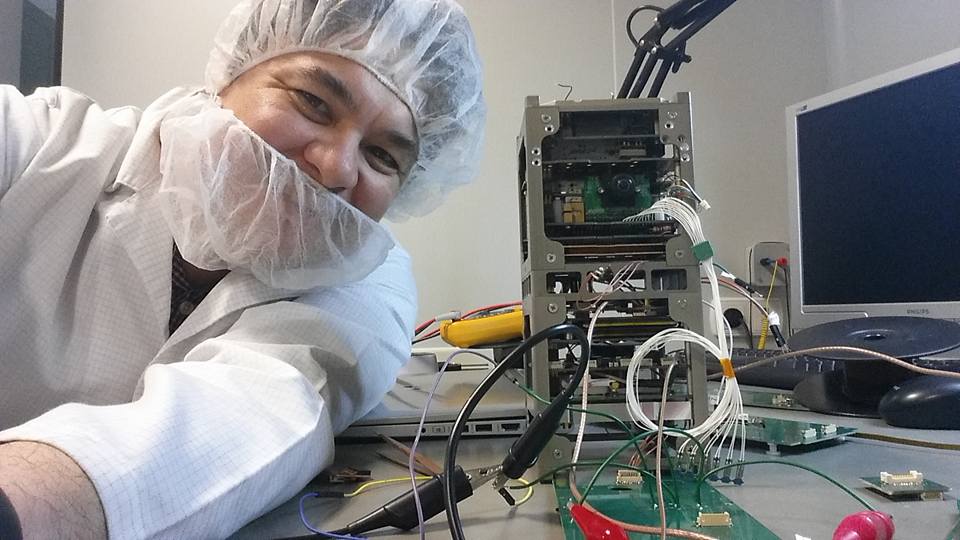
Prof. Dr. Emrah Kalemci explains his reason for coming to Türkiye from a prestigious institution like the University of California, Berkeley, in a single word: "Responsibility." "Our decision to return was so clear that we didn't even wait for my wife to have our child. Now my son resents me," says Dr. Kalemci, a scientist who has made significant contributions to Türkiye's science through his work in the fields of high energy astronomy, black holes, and X-ray detectors. He has been a faculty member at Sabancı University's Faculty of Engineering and Natural Sciences since 2005.
He is one of Türkiye's most sought-after experts in the design of X-ray detectors on mini-satellites called CubeSats, working a laboratory he founded. His observational studies of galactic black holes are also frequently featured in respected international scientific journals.
Informing the Public
Dr. Kalemci also devotes time to activities aimed at informing the public in the fields of astronomy, high-energy astrophysics, and astrophysical instrumentation. To this end, he organizes events at various universities, high schools, and preschools. His articles have been published in Türkiye's leading science and technology journals including Bilim ve Teknoloji, Ütopya, and HBT, and he has been interviewed on science websites and at science festivals.
CubeSats Projects
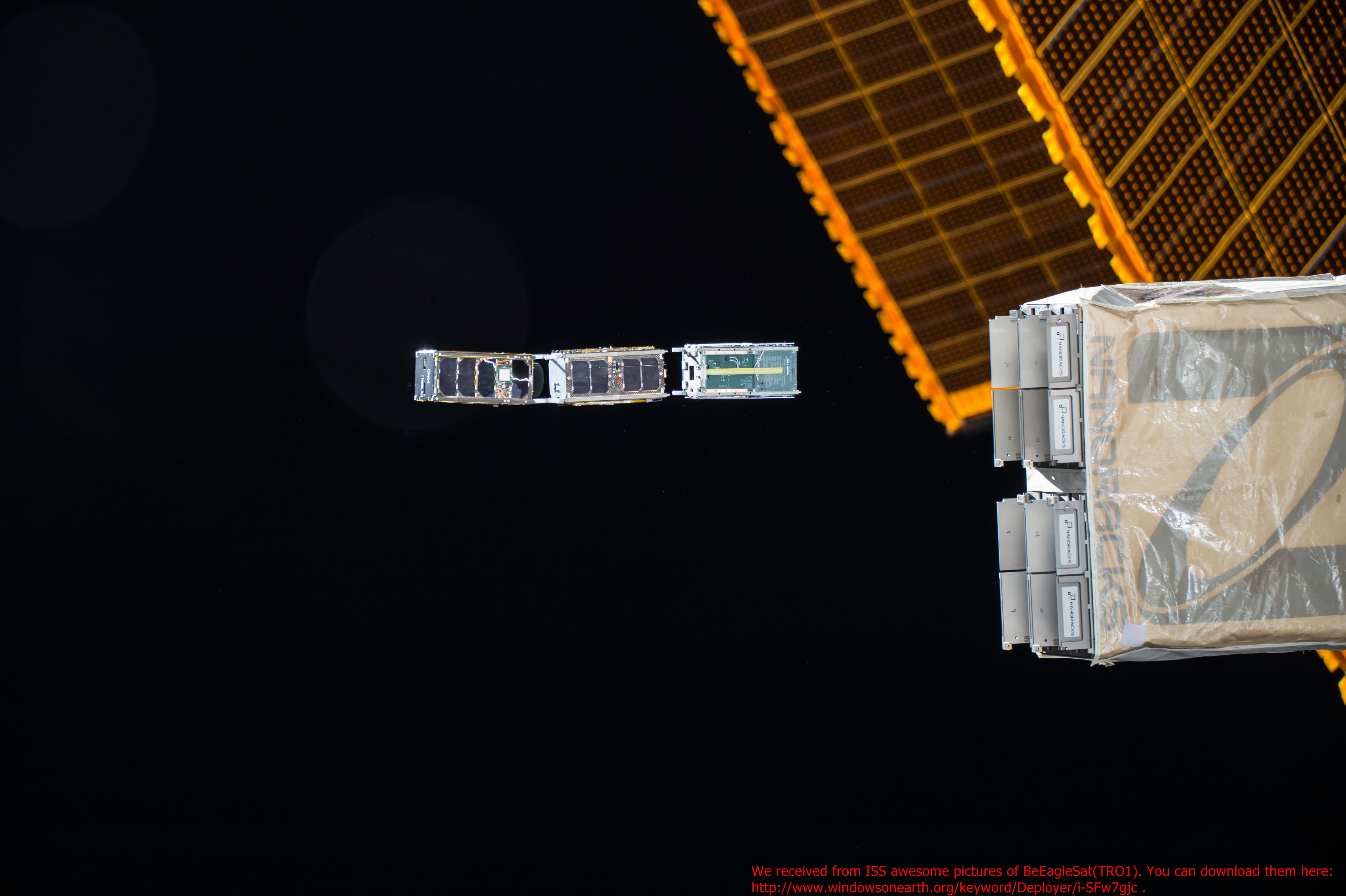
The X-ray detector XRD, designed under the leadership of Dr. Kalemci and developed at the High Energy Astrophysics Detector Laboratory, was launched into Earth orbit from the International Space Station on May 26, 2017.
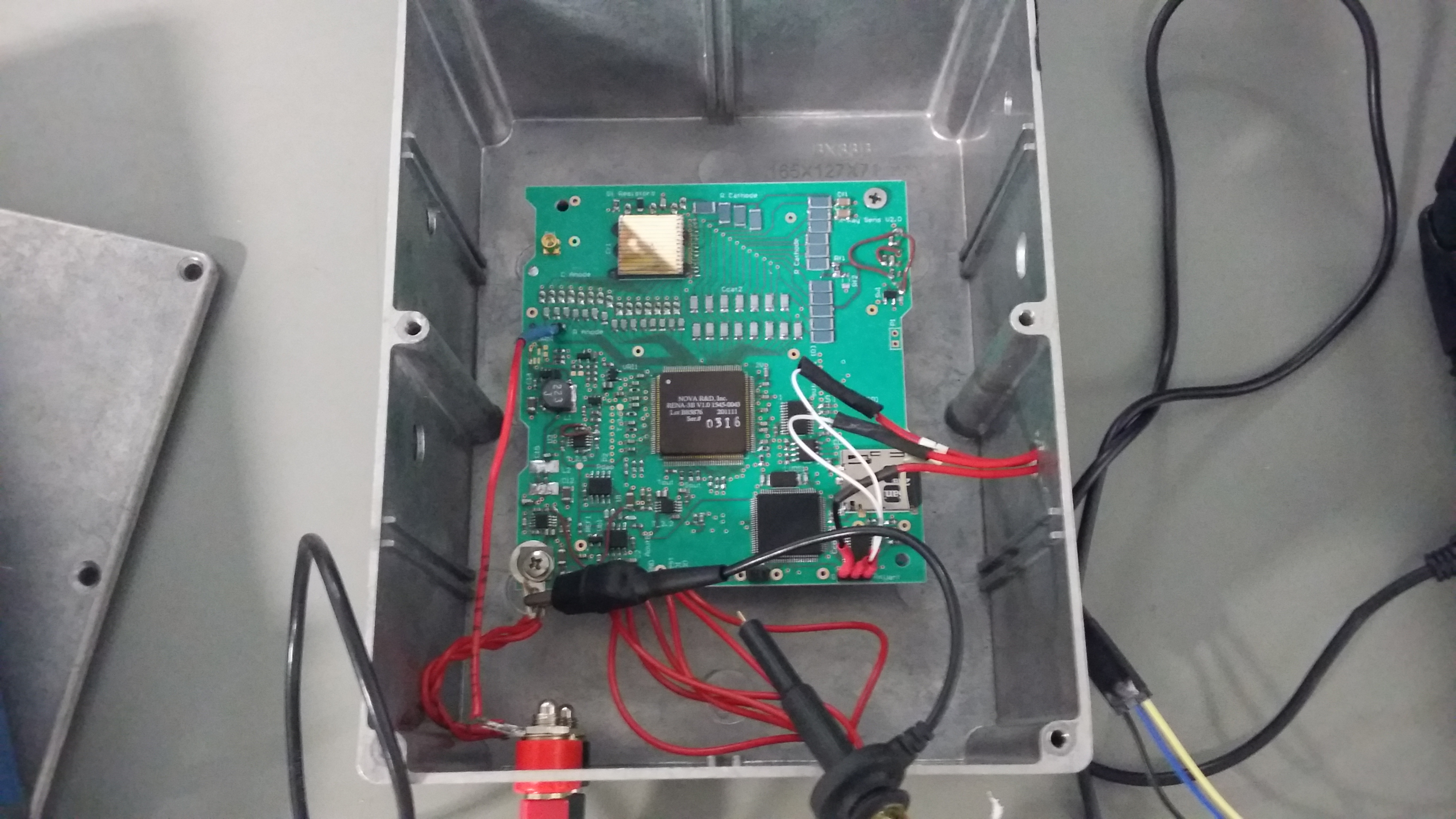
The XRD consists of an X-ray-sensitive crystal mounted on a 10 cm x 10 cm electronic circuit board and is designed to measure the high-energy X-ray background at various orbital altitudes. The project, funded by TÜBİTAK 1001 and the European Union, primarily involved undergraduate and graduate students. The XRD was launched on a CubeSat called BeEagleSat, developed under the leadership of Prof. Dr. Alim Rüstem Aslan of the ITU Faculty of Aeronautics and Astronautics. Designed at Sabancı University, the XRD's circuit diagram, software, and testing were developed at the ITU Space Systems Design and Test Laboratory (USTTL), where the BeEagleSat satellite it sits on was built. BeEagleSat, placed in orbit at an altitude of 408 km, was powered up five hours after landing, and the first signal was successfully received. However, the satellite could not receive control signals afterward, and the XRD mission could not be tested. The mission deorbited in 2019, and the task was completed.
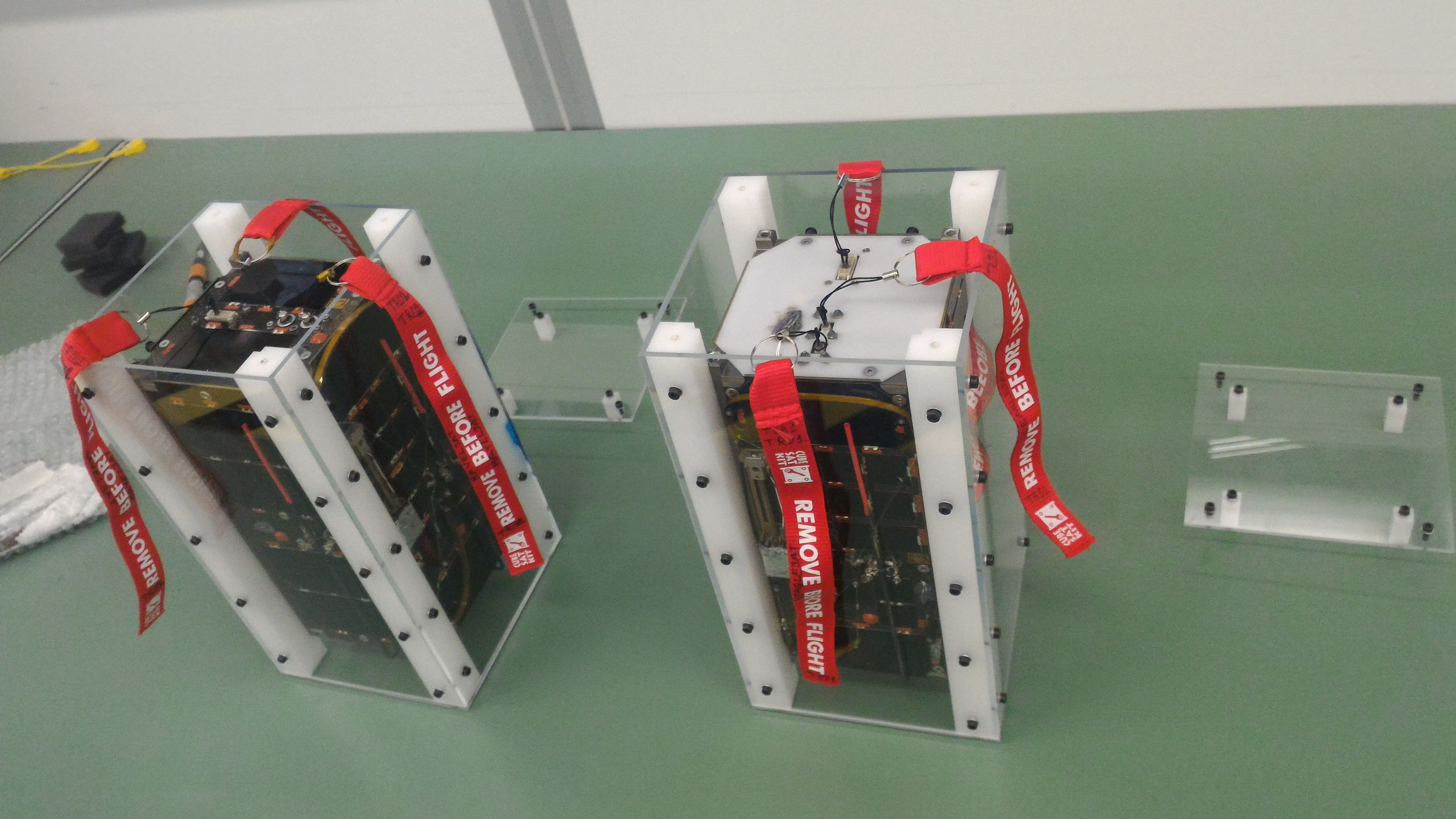
Based on the experience gained from XRD, its successor, iXRD, was designed under the leadership of Dr. Kalemci and built at the High Energy Astrophysics Detector Laboratory, again with the involvement of undergraduate and graduate students. After undergoing tests including space environment simulations, it was placed into orbit in summer 2022 with the 3U CubeSat system Sharjah-Sat-1 in collaboration with ITU. iXRD, which has a more complex design than XRD, utilizes a tungsten collimator to observe black hole binary star systems, and its crystal area and energy resolution have been improved. By operating on Sharjah-Sat-1 and transmitting data, iXRD became the first astrophysics science experiment designed and built in Türkiye to operate in space.
CubeSats are now widely used in low Earth orbit for applications like remote sensing and communications. However, as engineers become more familiar with the technology, CubeSats are starting to venture farther afield. Whether it's to the Moon, Mars, or even beyond, these small spacecrafts will certainly make a big difference when it comes to space exploration.

Who is Prof. Dr. Emrah Kalemci?
He completed his high school education at Istanbul Atatürk Science High School (1992) and graduated from the Department of Physics at METU in 1996. He received his doctorate from the Department of Physics at the University of California, San Diego (2002) on temporal observations of black holes and also worked on X-ray detectors. He worked as a postdoctoral researcher at the University of California, Berkeley, Space Sciences Laboratory between 2002 and 2005. He has been a faculty member at Sabancı University since 2005. He is the recipient of TÜBA GEBİP and TÜBİTAK Incentive Awards and is a member of the Science Academy.
What are CubeSats?
A CubeSat is a very small satellite used in space exploration. It contains all the functions of a satellite. It can generate energy with a solar panel, carry power to the internal components, and connect to a station on Earth. It can also send experimental data back to Earth.
Features:
- Low cost - economical access to space
- Standardized structure: A standard unit (1U) measures approximately 10x10x10 cm and weighs less than a kilogram. When needed, multiple 1U cube units can be combined to form larger satellites such as 2U (20x10x10 cm) or 3U (30x10x10 cm); this modular design makes it easy to add different subsystems based on mission requirements.
- Ease of launch: Their small size and light weight allow these satellites to be launched collectively on the same rocket; Numerous CubeSats can be placed in the available space on rockets, resulting in a very low cost per launch.
- Functions: Communications, climate and Earth observation, scientific research, education, military purposes, magnetic field measurement, Earth photography, cosmic ray monitoring


